The conversation around Real Estate Trends in Nashville continues to gain momentum as the city evolves into one of the most dynamic housing markets in the Southeast. Over the past decade, Nashville has experienced consistent economic growth, population expansion, and increased demand for residential and investment properties. These factors have shaped current real estate trends and continue to influence buyer and seller behavior across the metro area.
Nashville’s reputation as a business-friendly city has attracted corporate relocations, healthcare expansions, and technology startups. This economic diversity fuels job creation, which directly impacts housing demand. As more professionals and families move to the area, competition for well-located homes remains strong, supporting steady property appreciation.
Home Prices and Market Activity
One of the most notable real estate trends in Nashville is the steady rise in home values. While price growth has moderated compared to peak expansion years, the market remains resilient. Buyers researching Nashville home prices 2026 often notice that pricing varies significantly by neighborhood, property type, and proximity to downtown.
Inventory levels play a key role in shaping market conditions. Limited housing supply in highly desirable neighborhoods keeps competition active, particularly for updated properties and new construction homes. At the same time, suburban areas have seen increased development to meet demand, offering buyers more options at varying price points.
Interest rates also influence buyer activity. When financing costs fluctuate, purchasing power shifts, impacting affordability and overall transaction volume. However, Nashville’s strong job market and continued migration trends help stabilize housing demand even during periods of economic adjustment.
Shifts in Buyer Preferences
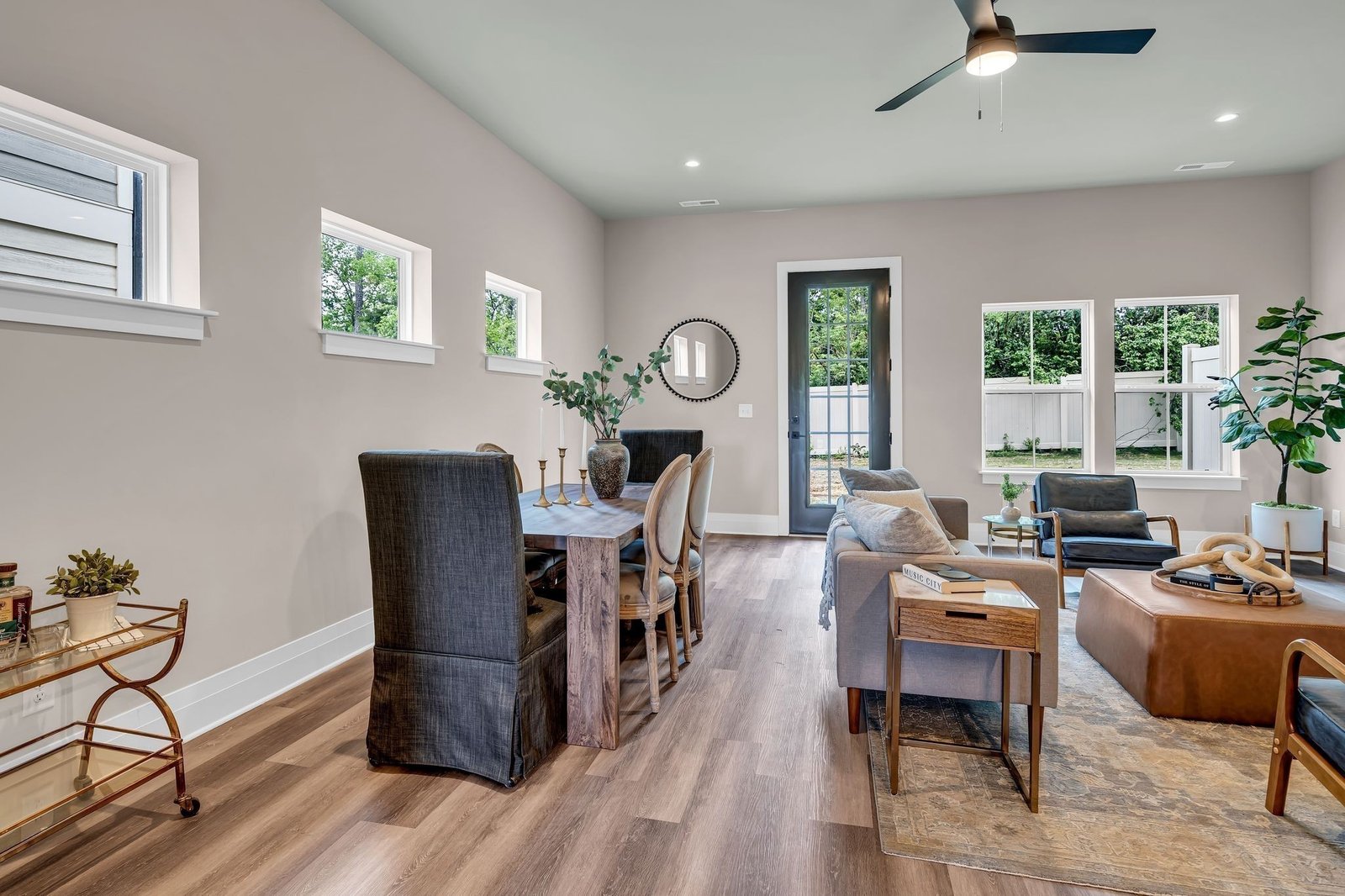
Changing lifestyle preferences are shaping real estate trends throughout Nashville. Many buyers now prioritize flexible living spaces, home offices, and energy-efficient features. Suburban communities with larger lots have gained popularity among families and remote workers seeking more space.
At the same time, urban living remains attractive to professionals who value walkability and proximity to entertainment. High-rise developments and mixed-use communities continue to expand in areas like Downtown, Midtown, and The Gulch. Those exploring downtown Nashville real estate market trends often focus on condominium demand, rental performance, and long-term appreciation potential.
New construction projects reflect evolving buyer expectations. Developers are incorporating smart home technology, sustainable building materials, and modern design elements to meet growing consumer demand. These innovations play a significant role in shaping Nashville’s current and future housing landscape.
Investment Opportunities and Rental Demand
Real estate trends in Nashville also highlight strong investment activity. The city’s consistent population growth supports a healthy rental market. Investors analyzing Nashville investment property opportunities often target neighborhoods near employment centers, universities, and entertainment districts.
Rental demand remains high among young professionals and newcomers who prefer leasing before purchasing. This demand creates opportunities for property owners seeking steady income streams. However, investors must remain informed about local regulations, zoning laws, and homeowners association rules that may impact rental strategies.
Long-term appreciation remains a central driver for real estate investors. Infrastructure projects, corporate expansions, and neighborhood revitalization efforts contribute to rising property values over time. Strategic investment decisions based on detailed market research can yield favorable returns.
Future Outlook for Nashville Real Estate
Looking ahead, Nashville’s real estate trends indicate continued growth supported by economic stability and population migration. While short-term fluctuations may occur due to national economic factors, the city’s diversified economy provides resilience.
Infrastructure improvements, transportation developments, and commercial investments are expected to influence housing patterns in the coming years. Emerging neighborhoods may offer significant appreciation potential as new businesses and amenities reshape local communities.
For buyers, sellers, and investors, staying informed about real estate trends is essential. Market conditions evolve quickly, and data-driven decisions often lead to stronger outcomes. Whether purchasing a primary residence or building a real estate portfolio, understanding Nashville’s housing dynamics provides a competitive advantage.
As Nashville continues to expand, real estate trends will remain closely tied to economic performance, demographic shifts, and development activity. By monitoring pricing patterns, inventory levels, and buyer preferences, individuals can position themselves strategically within this thriving market.
Add comment