If you’re wondering how much your property is worth in 2026, you’re not alone. Homeowners across the region are closely watching trends in Nashville real estate as demand, inventory, and buyer behavior continue to evolve. Determining your home’s true value requires more than a quick online estimate. It involves analyzing local market conditions, neighborhood activity, and the specific features that make your property unique.
The Nashville housing market has remained resilient despite national fluctuations. Strong job growth, corporate expansions, and steady population increases have supported property values across many neighborhoods. While appreciation rates may vary depending on location and property type, Nashville continues to demonstrate long-term strength compared to many other metropolitan areas.
Key Factors That Influence Home Value in 2026
Several factors play a role in determining how much your home is worth. Location remains the most significant driver. Homes in highly desirable areas such as Downtown Nashville often command premium prices due to walkability, entertainment access, and proximity to major employers. Urban condos and modern townhomes in this area continue to attract professionals and investors alike.
In contrast, neighborhoods like East Nashville offer a mix of historic charm and new development, which can influence pricing depending on renovation quality and lot size. Suburban communities such as Franklin and Brentwood remain attractive for families seeking larger homes and strong school districts, often resulting in steady appreciation.
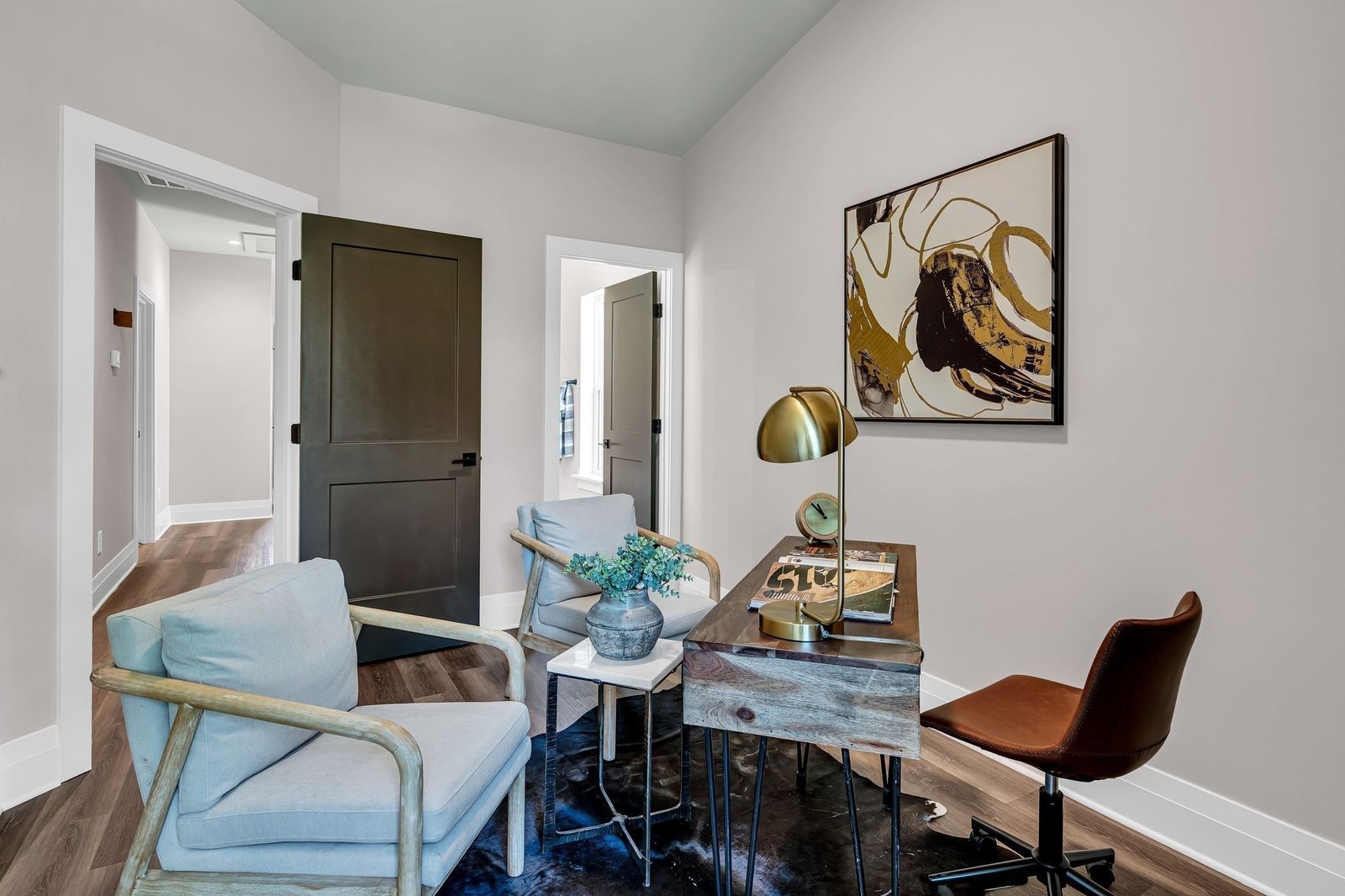
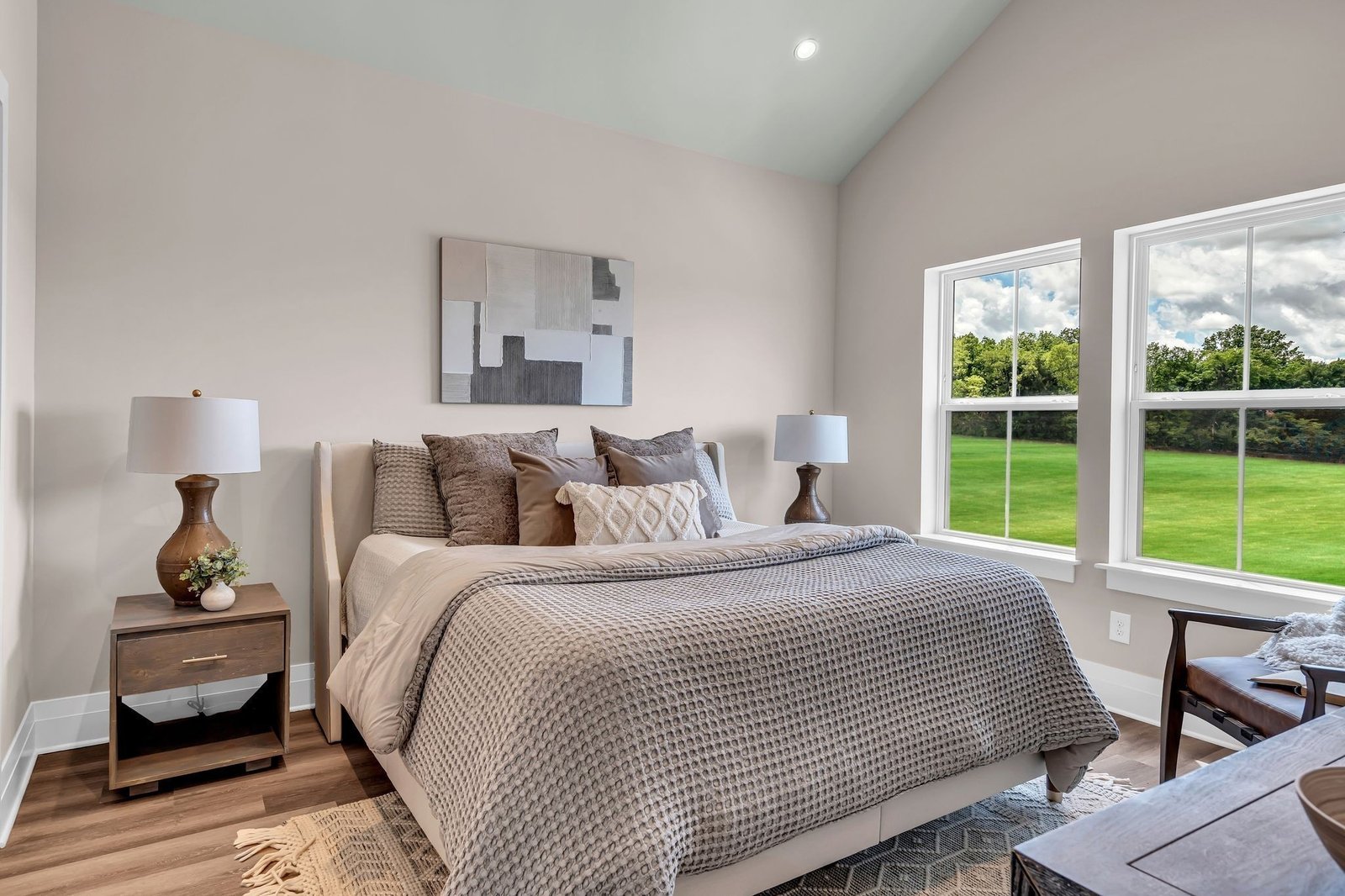
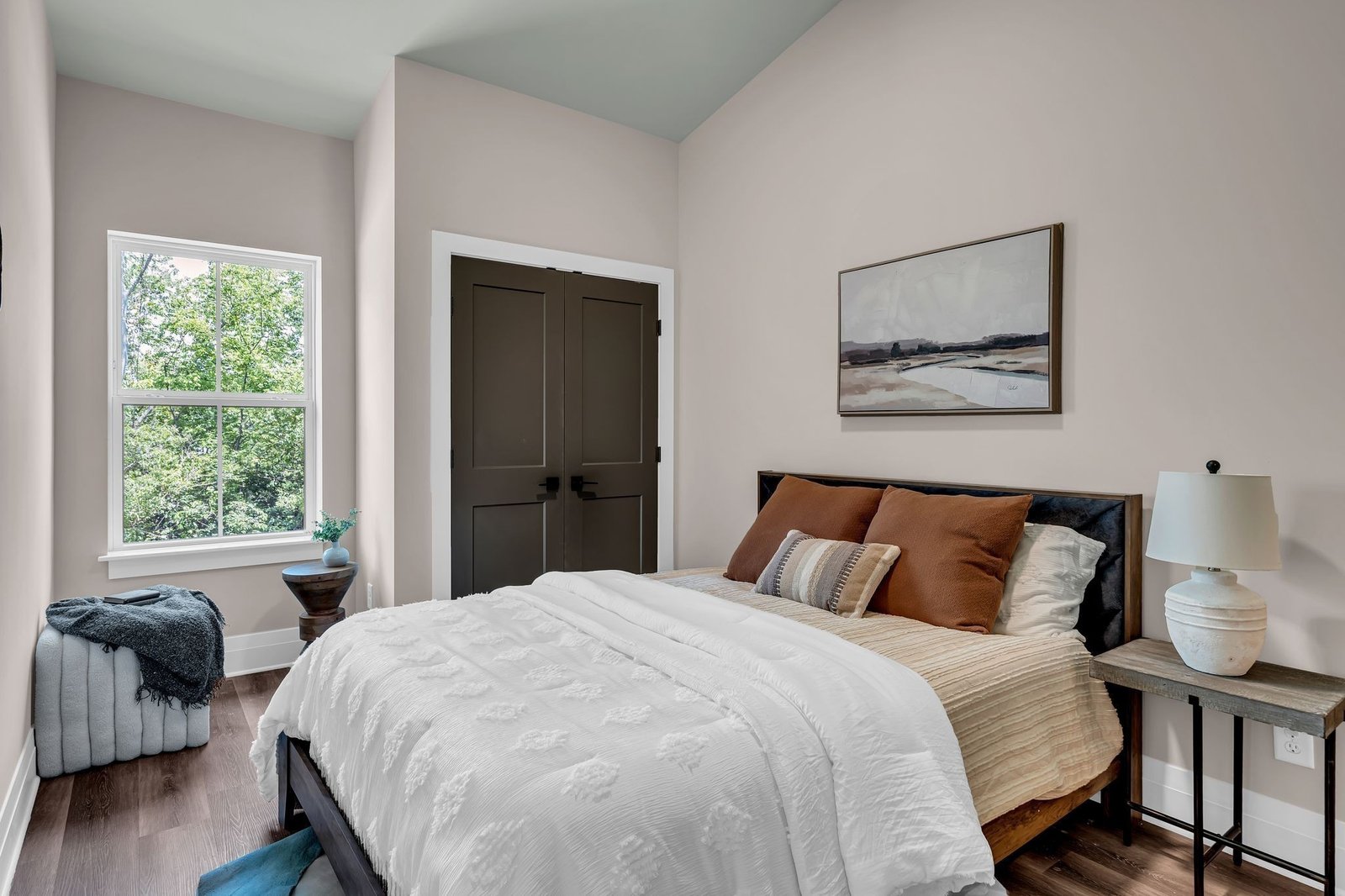
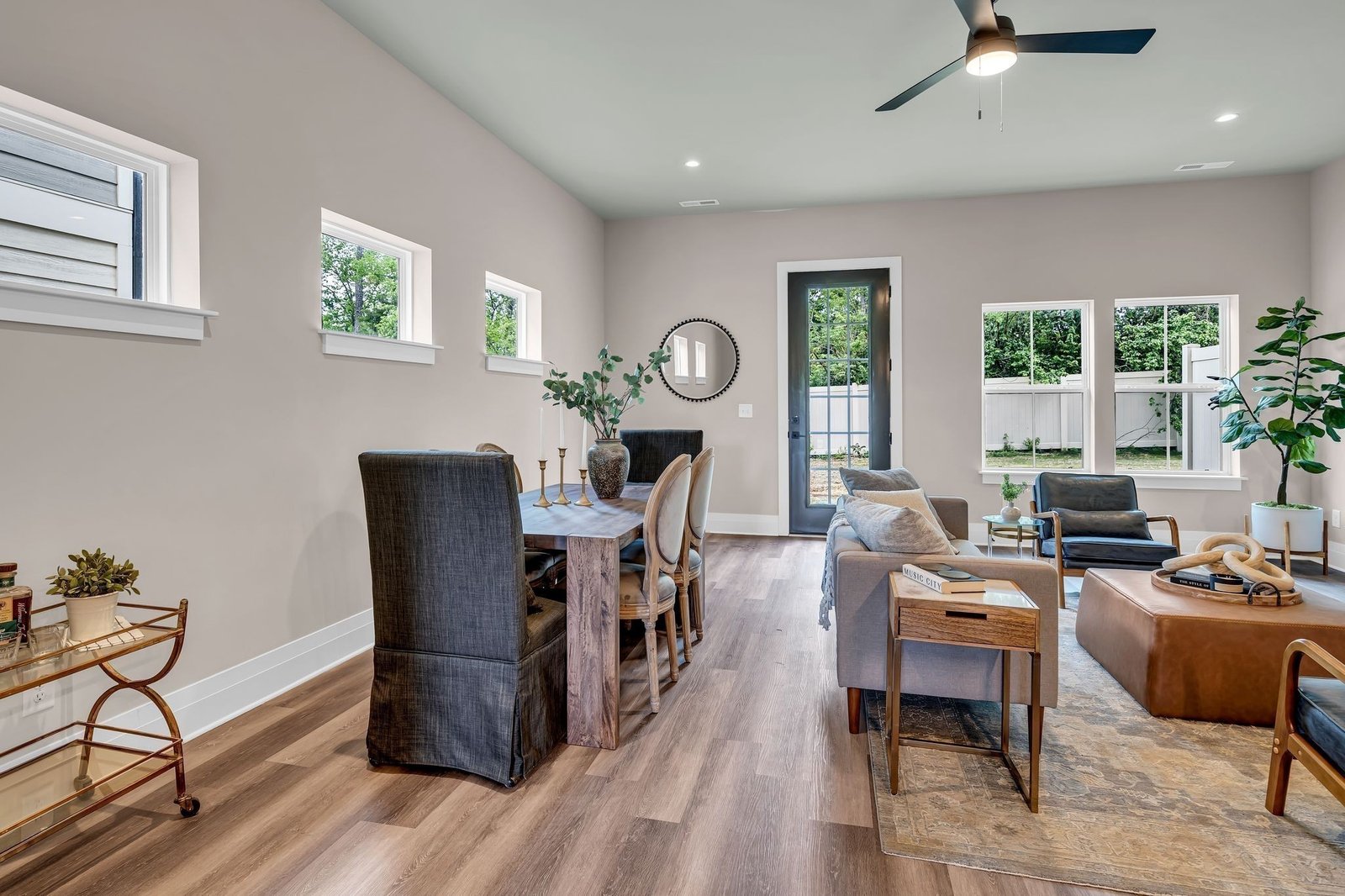
Beyond location, square footage, property condition, upgrades, and lot size significantly affect valuation. Updated kitchens, modern bathrooms, energy-efficient systems, and well-maintained landscaping can increase perceived and actual market value. Comparable recent sales within your neighborhood provide the most accurate benchmark for pricing.
Supply, Demand, and Market Timing
The balance between supply and demand plays a critical role in determining home values. When inventory is limited and buyer demand remains high, sellers may see competitive offers that drive up final sale prices. Conversely, if more homes are listed simultaneously, pricing must be carefully positioned to attract attention.
Seasonality also influences the Nashville housing market. Spring and early summer often bring increased buyer activity, while fall and winter may require more strategic pricing. Understanding when to list your property can impact both speed of sale and final price.
Interest rates in 2026 also contribute to affordability. When borrowing costs are stable or declining, buyer confidence tends to rise. This increased activity supports home values and may create favorable conditions for sellers.
Online Estimates vs. Professional Valuation
Many homeowners begin by searching online for instant home value estimates. While these tools provide a general idea, they rely on automated data that may not reflect recent renovations or neighborhood-specific factors. For example, two homes on the same street may vary significantly in value due to interior upgrades or lot orientation.
A professional market analysis offers a more accurate picture. By evaluating recent sales, active listings, and local demand trends, a real estate expert can determine a pricing range aligned with current market conditions. This approach ensures your home is positioned competitively among other homes for sale in Nashville.
Preparing to Maximize Your Home’s Worth
If you’re considering selling, small improvements can enhance value before listing. Fresh paint, updated fixtures, and improved curb appeal can create a strong first impression. Buyers in today’s Nashville real estate market expect well-maintained properties that reflect modern standards.
Strategic pricing is equally important. Overpricing may cause your property to linger on the market, while underpricing could reduce your potential return. A balanced approach based on data and local expertise typically generates the best results.
What 2026 Means for Nashville Homeowners
Looking ahead, Nashville’s continued economic development, infrastructure improvements, and population growth suggest sustained demand. While appreciation rates may moderate compared to previous peak years, long-term value trends remain positive.
Understanding how much your Nashville home is worth in 2026 requires analyzing both broader market indicators and hyper-local neighborhood activity. Whether you plan to sell soon or simply want to monitor your equity growth, staying informed about market conditions empowers you to make confident decisions.
Add comment