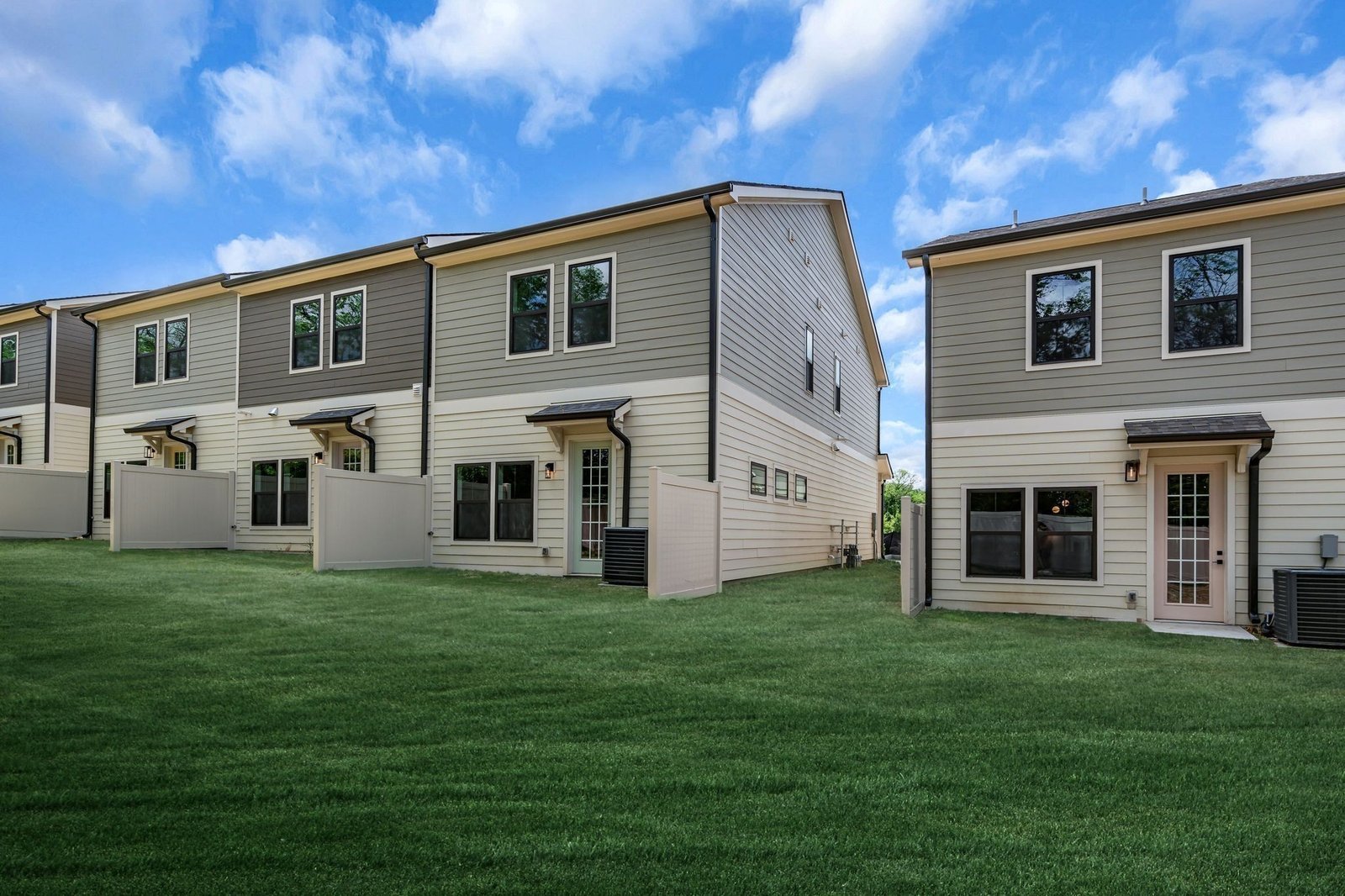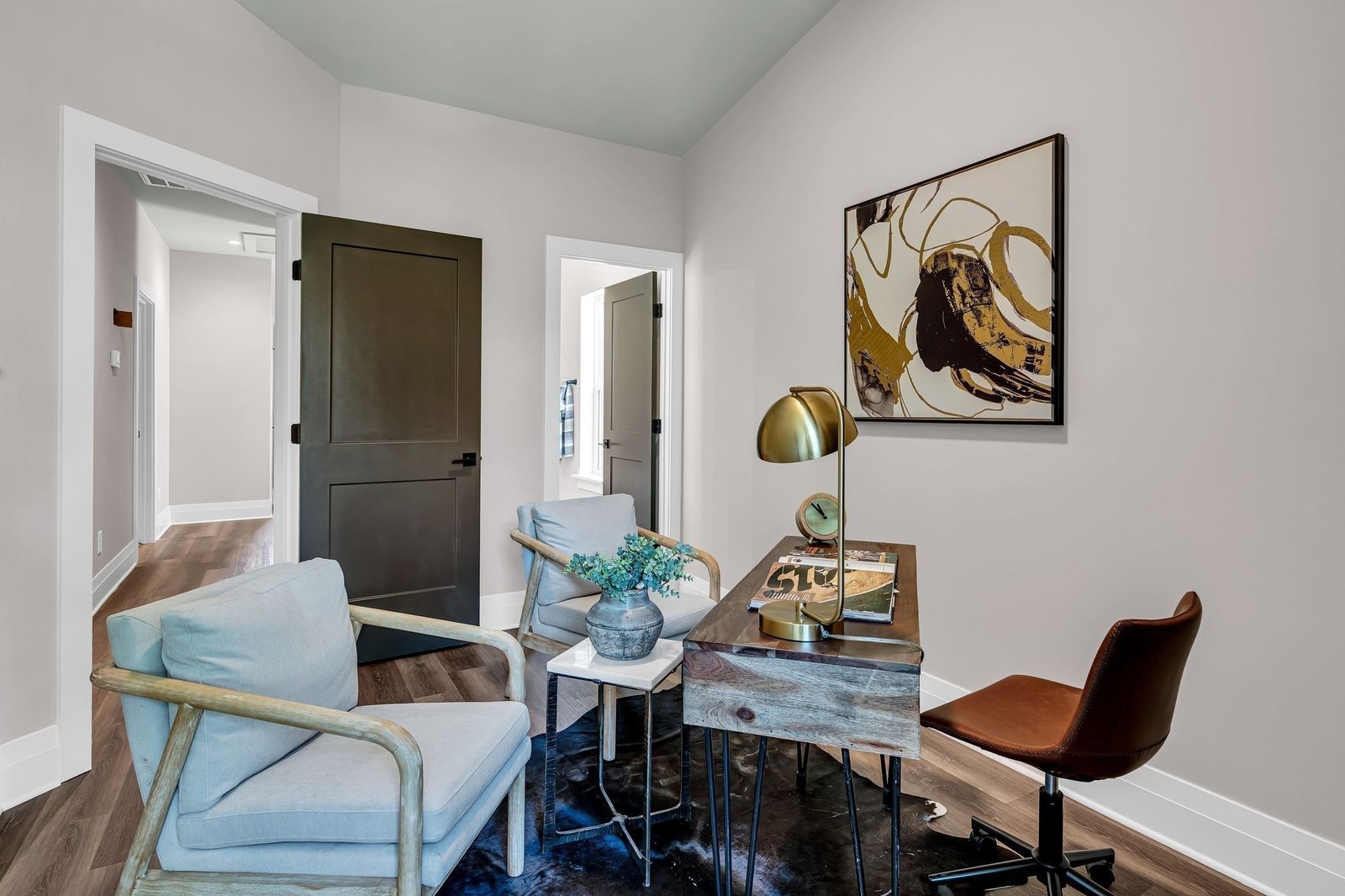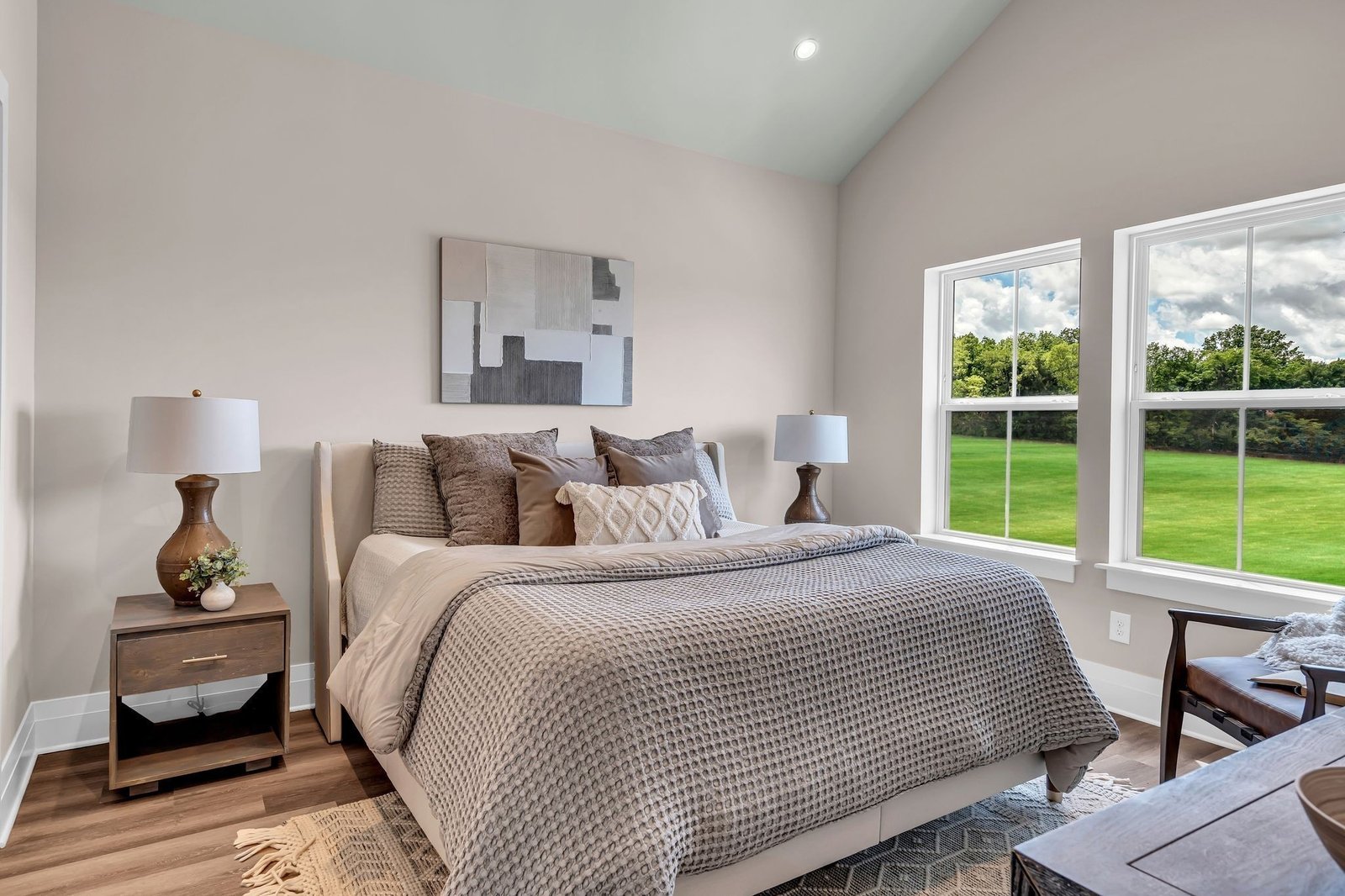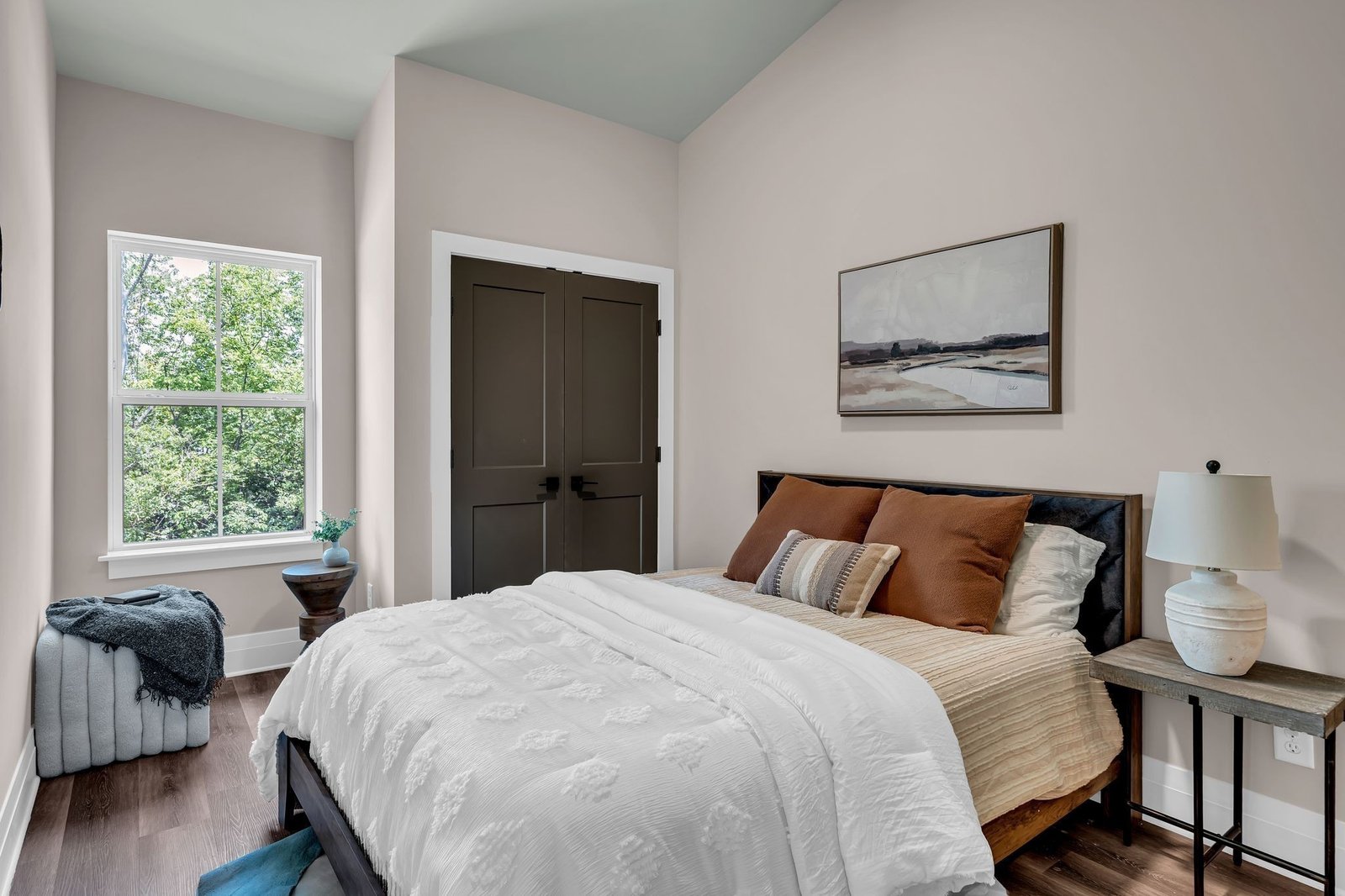
Buying a home in Nashville, Tennessee, has become a major milestone for many aspiring homeowners and investors. With Nashville’s booming economy, vibrant culture, and strong job market, the city continues to attract new residents from across the country. But one question remains central for anyone considering a move: how much does it cost to buy a house in Nashville? Understanding the full price breakdown — from the purchase price to taxes, closing costs, and ongoing expenses — is critical before you make one of the largest financial decisions of your life.
Nashville Home Prices: What You Can Expect
Nashville’s housing market has historically trended above the national average, though recent data suggest moderate fluctuation and a slight easing compared to earlier years. According to multiple housing market sources, the median home price in Nashville proper was around $480,000 in late 2025, reflecting year-over-year increases but also tapering growth. Other reports cite similar figures, with average home values near the $525,000 range depending on neighborhood and property type.
Prices can also vary dramatically depending on where you’re looking. For example, properties in affluent areas like Green Hills, Belle Meade, or Brentwood often exceed $1 million, while houses in outlying or emerging neighborhoods may be closer to $370,000 to $450,000.
Starter homes and smaller single-family properties often start between $375,000 and $450,000 in areas farther from downtown, while luxury homes in prime locations command premium prices due to demand, construction quality, and amenities.
Given these trends, the cost of buying a house in Nashville largely depends on your budget, preferred location, and size of the home you want.
Down Payment and Financing Costs
The down payment is often the first major cost buyers encounter. Conventional wisdom suggests a 20 percent down payment to avoid private mortgage insurance (PMI), but many buyers use programs that allow lower down payments. FHA loans, for example, may require as little as 3.5 percent down, while some conventional options allow 3 to 5 percent down for qualified buyers.
On a $500,000 home, a 20 percent down payment would mean $100,000 upfront, while a 5 percent down option might only require $25,000 — though that usually comes with higher monthly payments and possibly PMI.
Mortgage rates also play a significant role in monthly costs. In recent years, rates have hovered in the mid-6 percent range for a 30-year fixed mortgage, a factor that influences how much interest you’ll pay over the life of the loan.
Closing Costs in Nashville
Closing costs are another essential part of buying a home and consist of fees paid at the finalization of the sale. Buyers in Nashville typically pay between 2 and 5 percent of the purchase price in closing costs, depending on whether the home is financed or purchased with cash.
These costs include appraisal fees, home inspection fees, title search and insurance, attorney fees, recording fees, prepaid interest, and property taxes. For a $450,000 home, closing costs might range from $13,500 to $22,500.
It’s important to note that Tennessee has unique customs around closing costs. In many cases, sellers may cover certain expenses like the owner’s title insurance policy, while buyers pay lender-related fees and other charges.
Property Taxes and Insurance
Property taxes in Tennessee are generally lower than in many other states, which can make homeownership more affordable over time. Nashville’s property tax rate is relatively modest compared to national averages and plays a smaller role in monthly housing costs than in states with higher tax burdens.
Homeowners insurance is another ongoing cost, averaging around $1,800 per year for many Nashville homes — though this figure will vary depending on the property’s age, location, and coverage level.
HOA fees might also apply if your property is part of a community association. These fees vary widely but can range from $100 to $300 per month or more, depending on the amenities offered.
Monthly Payment Considerations
When all costs are combined — mortgage principal, interest, property taxes, insurance, and potential HOA fees — your monthly housing payment could range significantly. For example, a $400,000 home might result in total monthly costs around $2,300 to $2,800, while a $600,000 property might lead to payments in the $3,400 to $4,100 range.
Buyers should also factor in maintenance, utilities, and unexpected repairs as part of long-term homeownership planning.
Add comment