Buying a home in Nashville in 2026 is an exciting opportunity, especially as the city continues to grow as a major hub for jobs, culture, and lifestyle. With a dynamic real estate market and strong buyer demand, understanding the home buying process in Nashville is essential for making smart, confident decisions. This step-by-step guide will help buyers navigate the Nashville housing market in 2026 while maximizing value and minimizing stress.
Understanding the Nashville Housing Market in 2026
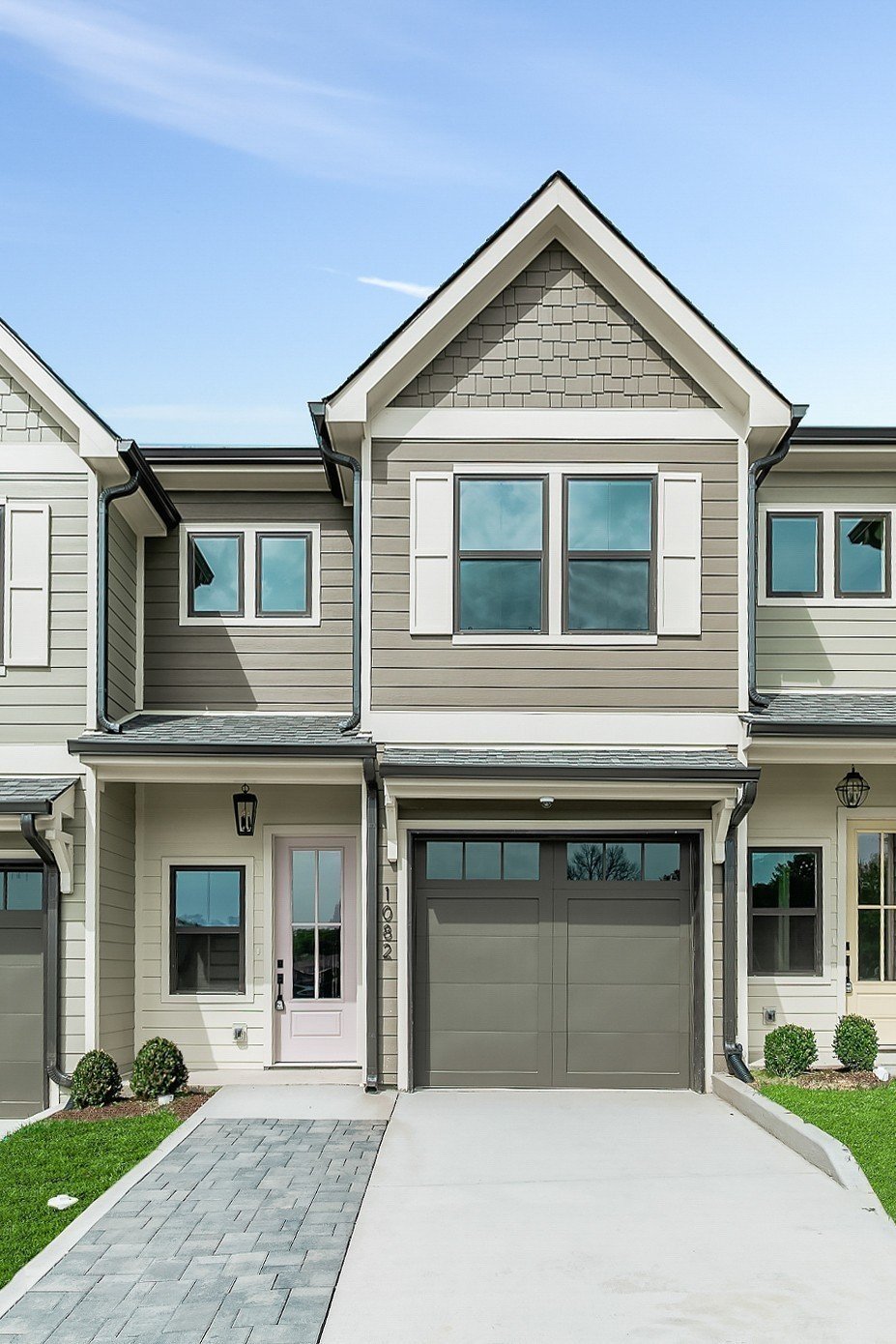
The Nashville real estate market in 2026 is expected to remain competitive, supported by population growth, business expansion, and ongoing development. Home prices may vary across neighborhoods, but demand for single-family homes, townhomes, and condos continues to be strong. Buyers searching for homes for sale in Nashville in 2026 should expect updated listings to move quickly, particularly in popular areas such as East Nashville, West Nashville, and surrounding suburbs.
Interest rates, inventory levels, and local economic conditions all influence the market. Buyers who stay informed about current trends and pricing will be better positioned to recognize good opportunities. Working with a local real estate professional provides valuable insight into neighborhood trends and access to the most current listings.
Step One: Prepare Your Finances
The first step to buying a home in Nashville is preparing your finances. Buyers should review their credit score, pay down existing debt, and save for a down payment and closing costs. Mortgage pre-approval is especially important in a competitive market, as it shows sellers you are a serious and qualified buyer.
In 2026, lenders continue to offer a range of loan programs, including conventional, FHA, VA, and USDA loans. Choosing the right mortgage option depends on your financial situation, long-term goals, and the type of property you plan to purchase.
Step Two: Choose the Right Nashville Neighborhood
Selecting the right neighborhood is a critical part of buying a home in Nashville. Each area offers a different lifestyle, price range, and housing style. Downtown Nashville and The Gulch appeal to buyers seeking urban living and condo options. East Nashville is popular for its historic homes and vibrant local culture, while West Nashville attracts families looking for established communities and strong schools.
Suburbs such as Franklin, Mount Juliet, and Hendersonville remain attractive in 2026 for buyers seeking new construction homes, larger lots, and quieter surroundings. Considering commute times, amenities, and future development plans helps ensure your chosen neighborhood aligns with your long-term needs.
Step Three: Start Your Home Search
Once pre-approved and focused on a neighborhood, buyers can begin searching for homes for sale in Nashville. Updated online listings, open houses, and private showings are essential tools in this stage. In a fast-moving market, buyers should be prepared to act quickly when a suitable home becomes available.
It is important to evaluate each property carefully, considering factors such as condition, layout, age, and potential maintenance costs. Buyers in Nashville often benefit from guidance provided by a real estate agent who understands local pricing and negotiation strategies.
Step Four: Make an Offer and Negotiate
Making an offer on a home in Nashville in 2026 requires strategy. Competitive pricing, flexible closing timelines, and strong earnest money deposits can make an offer more appealing to sellers. Once an offer is accepted, buyers typically have a due diligence period to conduct inspections and finalize financing.
Negotiations may involve repairs, credits, or price adjustments based on inspection findings. Understanding the Nashville real estate process and local contract terms helps buyers protect their interests throughout this stage.
Step Five: Close on Your Nashville Home
The final step in buying a home is closing. During this phase, buyers complete their loan approval, review closing documents, and perform a final walk-through of the property. Closing costs typically include lender fees, title insurance, and taxes. Once all documents are signed and funds are transferred, ownership of the home is officially transferred to the buyer.
Add comment